|
|
|||||||
  /_derived/Amy_Lou_Jenkins_htm_cmp_blank110_vbtn.gif) /_derived/Writers Wanted_htm_cmp_blank110_vbtn.gif)          /_derived/Featured_Writers_htm_cmp_blank110_vbtn.gif)  |
|||||||
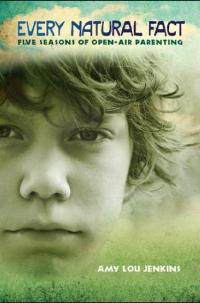 Amy
Lou Jenkins is the award-winning author of
Every Natural Fact: Five Seasons of Open-Air Parenting Amy
Lou Jenkins is the award-winning author of
Every Natural Fact: Five Seasons of Open-Air Parenting
"If you combined the lyricism of Annie Dillard, the vision of Aldo Leopold, and the gentle but tough-minded optimism of Frank McCourt, you might come close to Amy Lou Jenkins.Tom Bissell author of The Father of All Things
"Sentence by sentence, a joy to
read." —
Phillip Lopate
|
|||||||
|
Anthologies online participates in various affiliate programs and most links to books and products in articles/anthologies/author or any page offer some referral payment, pay for click or other reimbursement. The payment is generally pennies per click or purchase. Anthologies online also runs paid ads.The Anthologiesonline web site and newsletter are provided on an "as is" basis without any warranties of any kind and disclaim all warranties, including the warranty of merchantability, non-infringement of third parties' rights, and the warranty of fitness for particular purpose. No person or organization makes any warranties about the accuracy, reliability, completeness, or timeliness of the material, services, software text, graphics and links. Any communication is generally considered to be nonconfidential. See Privacy Policy. |
|||||||
|
|
|||||||


From the Beginning by Robin Bateman
"Beginnings are always messy."
-- John Galsworthy
The beauty about being an author is the complete and utter control we have when creating our stories. Even when stories seem to "write themselves", we sit in the driver's seat turning the steering wheel right or left, tapping our foot on the gas or brake. The same holds true for a story's "beginning". As authors, if we don't like our story's start, we can tighten up, rearrange or reconstruct our words so they capture the reader's attention in the first few sentences, or paragraphs, or pages. After all, we don't want to lose our readers to other short stories or novels when their fingers are already gripped around the pages of ours stories! What makes a good beginning? Beginnings are messy, or loud, unmistakable, intriguing, full of life and action. I love Galsworthy's quote. Plop me down in the messy beginning. Make me think, look, feel, and wonder. Solid starts offer these things; but, they also offer more. They take care of some housecleaning by accomplishing some of the following: establish voice present character(s) determine setting set the tone How can you as an author achieve all this in a few short sentences, paragraphs or pages? Here are two of my favorite approaches. The risk/threat approach - Few things get the reader's heart racing like imminent danger. An approaching train -with its whistle blowing in the not so far off distance, while Lucy trips over her shoelace, hurts her ankle and can't get up off the train tracks. Opening your story with undeniable risk to a character hooks a reader right off the bat. If you're unsure how to get going, why not write your story with little thought of how your first few pages will go. Once you have your first draft completed, try slicing a bit of an action-packed scene and moving it up front. You can do a little back-pedaling when it comes to background, after you've hooked your reader. The shock approach - Launching your first few sentences with some out-of-the closet information about your character is a definite attention getter. Announcing Jeff gambled away his family's mortgage money on a whim bet grabs the reader's attention. Most of us want to know more. What will his wife say? How will he tell his children? Revealing something about your character's personality produces curiosity in the reader who wants to see how other characters in your story will react when they discover what he, the reader...already knows. Don't be afraid to try out several different beginnings to see what works for your story, making sure to hook your reader while providing some of the housekeeping items listed above. Remember, if at first your don't succeed, write, write again.
|
About the AuthorRobin Bateman is an author and Moderator on http://www.Writing.Com/ which is a site for Fiction Writing. Her portfolio can be found at http://www.writing.com/twinsis. Bateman is a contributing editor for Racquet Sports Industry
|
Read more | |