|
|
|||||||
  /_derived/Amy_Lou_Jenkins_htm_cmp_blank110_vbtn.gif) /_derived/Writers Wanted_htm_cmp_blank110_vbtn.gif)          /_derived/Featured_Writers_htm_cmp_blank110_vbtn.gif)  |
|||||||
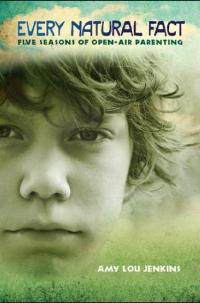 Amy
Lou Jenkins is the award-winning author of
Every Natural Fact: Five Seasons of Open-Air Parenting Amy
Lou Jenkins is the award-winning author of
Every Natural Fact: Five Seasons of Open-Air Parenting
"If you combined the lyricism of Annie Dillard, the vision of Aldo Leopold, and the gentle but tough-minded optimism of Frank McCourt, you might come close to Amy Lou Jenkins.Tom Bissell author of The Father of All Things
"Sentence by sentence, a joy to
read." —
Phillip Lopate
|
|||||||
|
Anthologies online participates in various affiliate programs and most links to books and products in articles/anthologies/author or any page offer some referral payment, pay for click or other reimbursement. The payment is generally pennies per click or purchase. Anthologies online also runs paid ads.The Anthologiesonline web site and newsletter are provided on an "as is" basis without any warranties of any kind and disclaim all warranties, including the warranty of merchantability, non-infringement of third parties' rights, and the warranty of fitness for particular purpose. No person or organization makes any warranties about the accuracy, reliability, completeness, or timeliness of the material, services, software text, graphics and links. Any communication is generally considered to be nonconfidential. See Privacy Policy. |
|||||||
|
|
|||||||


| Part of our HOW to Write
Series What do you want to know? Start with our How to Write articles then look for more articles on how to write in our table of contents and search page. Don't forget to subscribe for access to even more markets and how to write articles that do not appear on this site. |
How To Develop A Story
by Deborah Owen

Part I
I'll make up a story right now, as I type, to show you the process. I'm starting in the middle of my story because I'll get into the action quicker, I can identify most of the characters quickly, and the plot will develop more normally. FIRST, I'll begin with the action scene that comes in the middle. I have no idea what it will be. I'll think about high drama and tension and start there. (90 seconds of thinking)
I will make this story about two abused children, a sister about age 9 and her brother, age 5. My mind begins with the action scene where an enraged stepfather chases them through a forest. They are hiding in a tiny wash out in a bank that is covered by tree roots. They found it when the little boy sat down, leaned against the roots and fell into it.
The stepfather races through the forest, loudly calling their names. Gasping for air, he sits down and leans against the same tree, not three feet from where they are hiding. The children hold their breath in fear, lest he should fall into the hole and discover them.
Part II
Okay. The anti-climax is done and my mind is thoroughly into the story. Next, I'll create the ending. (pause - thinking) The children will come across a village they didn't know existed. The people who live there dress in strange clothes, like a throwback in time. They see a man who is a shoe cobbler, and a woman wearing wooden shoes that clack their way down the street.
The children run to the shoe cobbler and pant out their story to him. The cobbler alerts the townspeople that a huge, fierce man is coming and that he intends to harm the children. The townspeople hold a hurried meeting and decide to lay a trap to snare the man.
The man walks into the trap, is caught, and put on trial. The people are merciless. In their eyes, there is no greater crime than abusing children. In such cases, they feel that ridding the earth of such a vile person is commendable - and they are commendable people. They hang him. The children live with the shoe cobbler and his wife, and they spend the rest of their natural lives with the townspeople.
Developing the lead will be easy now. What I want you to see is that jumping into a tragic scene mentally will naturally lead you to the number of characters you must have and who they are.
Next, I have to answer some questions for the reader, such as, where is the mother all this time? My easy answer is that she's dead. I can either state that or show it. Next, I have to tell my reader what happened to the natural father, and how the step-father came into the picture. Or - I have another idea. I might make it the real father who is chasing them, to reclaim them and their mother (who is no longer dead). He wants to rescue them from this beast. (New idea - the mother married the step-father because her husband was at war and she was told he was dead. Not having a way to provide for the children, she married the first man who courted her. The husband has returned.)
That puts the story into a happier mode, and it makes for a better plot. I'll go with that. So the father is chasing them all this time, but the children think it is the step-father. They hide in their little hole and wait until he leaves (note the irony of having the father so near the children, and neither knows the other is there), and then they run to the village. The village people ensnare the man, but the children see it is their father and he takes them home to their mother and they live happily ever after. Now I have to figure out what happened to the stepfather.
I want you to note is that by answering the questions I know the reader will have, I arrived at a new ending, which is better than the first because it has a twist, and because it has irony.
There is something noteworthy here, and that is, you must always let the reader feel satisfied at the end of the story. That's why you see very few stories with a sad ending. If you don't satisfy your reader, they won't want to read anything else you write.
So, now my story is practically written for me. Do you see how easy that was? If you like this story and would like to develop it (as I will not), write to me and I will give you the official permission to claim it as your own - with one catch. I'd like for you to send the story to me and let me read it when it's finished. Note: I will grant this story line to the first person who requests it.
This is a unique method that will work for you every time. Now you try it, and let me know how you like it.
About the Author
Deborah Owen is the CEO and Founder of two writing schools. Her most recent achievement is Creative Writing Institute, a fully mentored school that opens October 5, 2008. To register for The Writer's Choice, the school's newsletter, write to Ms. Deborah at deborahowen@cwinst.com. http://www.creativewritinginstitute.com
About the Author
Deborah Owen is the CEO and Founder of two writing schools. Her most recent achievement is Creative Writing Institute, a fully mentored school that opens October 5, 2008. To register for The Writer's Choice, the school's newsletter, write to Ms. Deborah at deborahowen@cwinst.com. http://www.creativewritinginstitute.com