|
|
|||||||
  /_derived/Amy_Lou_Jenkins_htm_cmp_blank110_vbtn.gif) /_derived/Writers Wanted_htm_cmp_blank110_vbtn.gif)          /_derived/Featured_Writers_htm_cmp_blank110_vbtn.gif)  |
|||||||
 Amy
Lou Jenkins is the award-winning author of
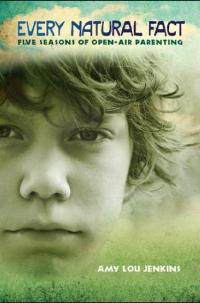
Every Natural Fact: Five Seasons of Open-Air Parenting Amy
Lou Jenkins is the award-winning author of
Every Natural Fact: Five Seasons of Open-Air Parenting
"If you combined the lyricism of Annie Dillard, the vision of Aldo Leopold, and the gentle but tough-minded optimism of Frank McCourt, you might come close to Amy Lou Jenkins.Tom Bissell author of The Father of All Things
"Sentence by sentence, a joy to
read." —
Phillip Lopate
|
|||||||
|
Anthologies online participates in various affiliate programs and most links to books and products in articles/anthologies/author or any page offer some referral payment, pay for click or other reimbursement. The payment is generally pennies per click or purchase. Anthologies online also runs paid ads.The Anthologiesonline web site and newsletter are provided on an "as is" basis without any warranties of any kind and disclaim all warranties, including the warranty of merchantability, non-infringement of third parties' rights, and the warranty of fitness for particular purpose. No person or organization makes any warranties about the accuracy, reliability, completeness, or timeliness of the material, services, software text, graphics and links. Any communication is generally considered to be nonconfidential. See Privacy Policy. |
|||||||
|
|
|||||||


How to Rangle Dangling Modifiersby C. M. CliftonThe three main types of sentence errors are fragments, run-ons, and dangling modifiers. Fragments are incomplete sentences that are presented as complete sentences. Run-ons are two or more sentences that have been incorrectly joined. Dangling modifiers are misplaced parts of a sentence that usually end up causing confusion in readers. This article takes a closer look at dangling modifiers. Although dangling modifiers are the most common of modifier errors, there are also misplaced modifiers and squinting modifiers. A dangling modifier is created when a modifier does not logically or grammatically describe anything in a sentence. The noun or pronoun to which a phrase or clause refers to is either in the wrong place or missing, causing confusion. Here are a couple of examples of dangling modifiers: After opening the window, the room grew cold. Walking downstairs, the doorbell rang. Revised, the sentences would read like the following: After I opened the window, the room grew cold. As I was walking downstairs, the doorbell rang. Misplaced Modifiers A misplaced modifier is created when the modifier looks as if it is describing the wrong word in the sentence. Modifiers should be placed as close as possible to the word it modifies. When a word, phrase, or clause is placed too far from the word it modifies, the sentence might fail to convey its intended meaning. When this happens, the modifier is considered misplaced. Here are a few examples of misplaced modifiers: He almost ate all of the leftovers from last night's dinner. ("Almost" is a misplaced word.) The teacher explained how her grading scale worked on Wednesday. ("On Wednesday" is a misplaced phrase.) I bought a case of bottled water at the supermarket that cost $5.00. ("That cost $5.00" is a misplaced clause.) The revised sentences would read like the following: He ate almost all of the leftovers from last night's dinner. On Wednesday, the teacher explained how her grading scale worked. I bought a case of bottled water that cost $5.00 at the supermarket. Squinting Modifiers A squinting modifier occurs when a modifier might refer to either a preceding or a following word which creates a possibly confusing sentence. Here is an example of a squinting modifier: She said when she was on her way to the supermarket that she would like to buy some fruit. Revised, the sentence would read like the following: She said that she would like to buy some fruit when she was on her way to the supermarket. Or, perhaps: When she was on her way to the supermarket, she said she would like to buy some fruit. Always be sure to edit your short story, essay, novel, or whatever piece of writing you are preparing to present in its best light because editing allows you to find dangling modifiers and other errors that might occur in your writing. About the AuthorC. M. Clifton is an author on http://www.Writing.Com/ which is a site for Writers. More How to Write Articles
|
|