Writers: Subscribe and send
in your brief bio and your best writing sample (up to 1200 words
total) to
apply
to become a featured
writer. Find free articles and markets to help you get
published. Readers: Find your favorite authors, anthologies,
and other books.
Editors,
send in your calls for manuscripts. Find writers and manuscripts
to fill your anthologies.
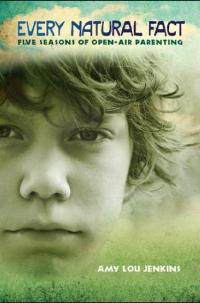
"If you combined the lyricism of Annie Dillard, the vision of
Aldo Leopold, and the gentle but tough-minded optimism of Frank
McCourt, you might come close to Amy Lou Jenkins.Tom Bissell
author of The Father of All Things
"Sentence by sentence, a joy to
read." —Phillip Lopate, Author of
Waterfront
Anthologies online participates in various affiliate programs and most links
to books and products in articles/anthologies/author or any page offer some
referral payment, pay for click or other reimbursement. The payment is
generally pennies per click or purchase. Anthologies online also runs paid ads.The
Anthologiesonline web site and newsletter are provided on an "as is" basis
without any warranties of any kind and disclaim all warranties, including
the warranty
of merchantability, non-infringement of third parties' rights, and the
warranty
of fitness for particular purpose. No person or organization makes any
warranties about the accuracy, reliability, completeness, or timeliness of
the material, services, software text, graphics and links. Any communication is generally considered to be
nonconfidential. See
Privacy Policy.
Ten (Plus)Great Writing Books
Published in 08
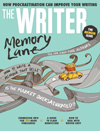
The Writer Magazine, in an article by Chuck Leddy, names ten great
writing books published in 08. These are books that helped writers to hone
their craft and get published. Which books will make it to your holiday wish
list?
Each
month,
The Writer Magazine delivers inspiration to both novice and
experienced writers. Professionals and famous authors provide tips and
practical, step-by-step solutions to help overcome writing problems.
Additionally, readers can benefit from before-and-after examples of improved
writing. The hands-on advice found in The Writer Magazine will boost any
writer to the next level.
Online sensation Grammar Girl makes grammar fun and
easy in her print debut
Mignon Fogarty, a.k.a. Grammar Girl, is determined to wipe
out bad grammar—but she’s also determined to make the process as painless as
possible. One year ago, she created a weekly podcast to tackle some of the
most common mistakes people make while communicating. The podcasts have now
been downloaded more than seven million times, and Mignon has dispensed
grammar tips on Oprah and appeared on the pages of The New York
Times, The Wall Street Journal, and USA Today.
Howard Mittelmark and Sandra Newman distill their 30 years
combined experience in teaching, editing, writing, and reviewing fiction to
bring you real advice from the other side of the query letter. Rather than
telling you how or what to write, they identify the 200 most common mistakes
unconsciously made by writers and teach you to recognize, avoid, and amend
them. As funny as it is useful, this essential how-NOT-to guide will
help you get your manuscript out of the slush pile and into the bookstore.
This is your year. Used as
a textbook in creative writing classes, this could be the guide to the best
year of your life.
Professional editor and author Elizabeth Lyon offers
aspiring novelists the guidance and instruction they need to write and
edit well-crafted and compelling stories that will stand out from the
competition and attract the attention of agents and publishers,
including:
- Stand-out style techniques, from accessing an authentic voice to
applying techniques of "wordsmithing" that transform prose
- How to rewrite characterization for dimensionality, a universal need,
and theme
- Adjustment suggestions to match the prose style and structure of
specific genres
- Correct grammar, punctuation, spelling, and style
- Strategies to strengthen story beginnings and endings
- Methods for increasing plot stakes, creating movement, and adjusting
pace for maximum suspense
Get Between the Covers: Leave a Legacy
by Writing a Book
Helps everyone who has a book in them to go from idea to
published book in new innovative ways.
About the Author Neil Shulman, M.D. is the author or co-author of over 20 books,
including the bestseller Doc Hollywood, which became a major motion
picture. In addition to his successful novels, children's books, and medical
reference books, he is also a highly-sought speaker who appears before
Fortune 500 companies and other large audiences. He devotes much of his time
to various charitable causes and finding ways to improve the lives of
others.
Through her experience as a writing teacher, she knows
how difficult that can be; this book is about the habit of writing as a way
to keep track of what’s going on in the front and the back of your mind. It
inspires different ways for us to look at the moment we’re in right now and
will help would-be memoirists find their own “side door” into a subject.
Thomas writes eloquently about how to get started and find that jumping-off
point for your work, and provides exercises that liberate our creativity,
enable us to get the distance and perspective we need, and open our eyes to
possibilities that may not at first seem obvious.
Whether your words are for publication, for your loved ones, or for you
alone, Thomas makes the process fulfilling, thoughtful, and even fun.
Other Books on the craft of writing; Time-proven advice to improve your craft
and get published
Hooked: Write Fiction That Grabs Readers at
Page One & Never Lets Them Go
*The first pages are the #1 key to acceptance or
rejection of manuscripts--most agents and editors claim to make their
decision on a manuscript after the very first page, which means that
no writer can afford to have a weak story beginning
*The first and only fiction-writing book that
focuses exclusively on beginnings--no other book on the market
addresses story beginnings in a comprehensive manner
Agents and editors agree: Improper story beginnings
are the single biggest barrier to publication. Why? If a novel or
short story has a bad beginning, then no one will keep reading. It's
just that simple. Hooked provides readers with a detailed
understanding of what a beginning must include (setup, backstory, the
inciting incident, etc.); instruction on how to successfully develop
the story problem; tips on how to correct common beginning mistakes;
exclusive insider advice from agents, acquiring book editors, and
literary journal editors; and much more.


/_derived/Amy_Lou_Jenkins_htm_cmp_blank110_vbtn.gif)
/_derived/Writers%20Wanted_htm_cmp_blank110_vbtn.gif)



/_derived/Featured_Writers_htm_cmp_blank110_vbtn.gif)