|
|
|||||||
  /_derived/Amy_Lou_Jenkins_htm_cmp_blank110_vbtn.gif) /_derived/Writers Wanted_htm_cmp_blank110_vbtn.gif)          /_derived/Featured_Writers_htm_cmp_blank110_vbtn.gif)  |
|||||||
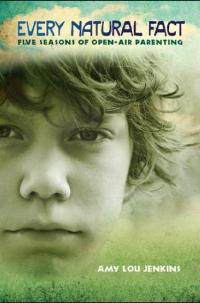 Amy
Lou Jenkins is the award-winning author of
Every Natural Fact: Five Seasons of Open-Air Parenting Amy
Lou Jenkins is the award-winning author of
Every Natural Fact: Five Seasons of Open-Air Parenting
"If you combined the lyricism of Annie Dillard, the vision of Aldo Leopold, and the gentle but tough-minded optimism of Frank McCourt, you might come close to Amy Lou Jenkins.Tom Bissell author of The Father of All Things
"Sentence by sentence, a joy to
read." —
Phillip Lopate
|
|||||||
|
Anthologies online participates in various affiliate programs and most links to books and products in articles/anthologies/author or any page offer some referral payment, pay for click or other reimbursement. The payment is generally pennies per click or purchase. Anthologies online also runs paid ads.The Anthologiesonline web site and newsletter are provided on an "as is" basis without any warranties of any kind and disclaim all warranties, including the warranty of merchantability, non-infringement of third parties' rights, and the warranty of fitness for particular purpose. No person or organization makes any warranties about the accuracy, reliability, completeness, or timeliness of the material, services, software text, graphics and links. Any communication is generally considered to be nonconfidential. See Privacy Policy. |
|||||||
|
|
|||||||


Writing the Recipe
by Pam White
It sounds simple. Sell your family recipes for money. Gather up your community's
traditional
dishes and submit them to magazines. List meals you make for guests and slap
together a
cookbook. Right?
Wrong.
Writing down recipes is an art, and one that keeps reinventing itself.
I have a wonderful cookbook - "The Home Queen Cookbook" - that is packed with
recipes submitted by the wives of governor's, senator's, famous businessmen, and other
notables. This book was published in the late 1800's, after Fannie Merritt
Farmer's Boston
Cooking School cookbook was published, but those fine home queens' submissions
are less
than standard in their presentation.
Sponge Cake - "Ten eggs, weight of 8 in sugar and four in flour, flavor with
lemon, add a
pinch of salt." That is the entire recipe and while seasoned cooks might be able
to
understand what is meant, and professional chefs sympathetic to the simple notes
made for
memory's sake, new cooks would be stumped by this listing of ingredients.
Write simply, but not as simply as the Home Queens did. Remember that omissions
or
mistakes are disastrous to the cook using your recipe, and will also hurt your
reputation
with editors. Think about how you felt the first time a "friend" shared a
fantastic
recipe with you but left out one or two of the ingredients so your version would
never be as
good as hers or his. If you've never been the victim of a recipe-otomy then your
friends are
true. If you have, you have my sympathy.
We all have our own way of creating dishes – after family traditions, borrowing
from this
cooking show or that classic cookbook. Sometimes dishes are created out of
necessity
– quickie dinners, no-time-to-shop meals that use up stuff you have on hand, or
ways to use
up garden surplus. Personally, I dream of cakes and pastries, cassoulets and
frittatas.
My original recipes come from those late night, subconscious feasts.
We scribble notes on napkins, in journals or keep them inside our head.
It's time to get organized. Dedicate an entire notebook to recipe development,
or buy a
recipe box and fill it with note cards on which you've written your recipes and
notes
about your results (including comments from your resident taste-testers.) You're
going to
need these notes and recipes on hand when you find a new market to submit to.
Standardize - When writing a recipe, list the ingredients in the order they
appear in the
preparation. Write out measurements to avoid any confusing abbreviations. When
writing for
the internet or non-American publications consider using both metric and
non-metric
measurements, or providing a conversion rate. If you don't, it means an extra
step for your
reader to look on a conversion chart, or even flat cakes or rock hard muffins.
Most recipes list the ingredients in one of two ways. If you are using herbs,
onions, or
eggs, for example, you might list "one-quarter cup basil, washed and chopped,"
"one Vidalia
onion, sliced and sauteed," or "four eggs, beaten." Alternatively, you could
list the
ingredients and discuss the preparation in the how-to part of the recipe, i.e.,
one-quarter
cup basil, one Vidalia onion, four eggs. When using frozen or canned food, list
the size of
the can or package.
Tools Needed - Unless you are writing recipes for an article or a cookbook on
slow cookery,
or stoneware pans, then you'll want to list special tools, pans, or appliances
that will
be needed to prepare each recipe. If the recipe is for a chocolate, chocolate
chip
quick bread, one way to write this part of the recipe is "lightly butter a 9" by
3 " loaf pan
or muffin tins if you are making muffins."
Cooking Method - Do you preheat the oven, start the grill, season the pizza
stone? Not
everyone reads through a recipe before embarking on the culinary adventure of
making
the dish. Give your readers a bread - tell them up front what pans they need and
what
they need to do to them before they are ready to pour the batter, or grill the
steaks.
The Process - My favorite cookbooks are the ones that tell a story, either as an
introduction to the recipe, or during the paragraphs explaining the steps. You
can
number the steps, or write it as an explanation. In your pizza recipe, include
the
history of pizza, your history with pizza, how to make thin, crisp crusts or
simple ways to
make cheese-stuffed crust if you want something new to feed your teens. You can
weave your tidbits into the recipe - one cookbook on breads gave a recipe for
making
French baguettes with hard crusts. The key was to spray the bread with water
during the
baking. The author shared that she had, unintentionally, spritzed water on the
oven's
light bulb causing the hot bulb to shatter all over the baking bread.
So how does the cook know when it's finished? Don't just give the time
parameters. Cake
recipes talk about the toothpick test. Flans, I learned, are done when they are
in the firm
yet wobbly stage. When making candy, be kind to cooks without candy thermometers
and define
what the hardball and softball stages look like when staring into the pot at a
spoon
covered in goo.
Extra Information - List substitutions. If your recipe for sorrel soup can be
made with
spinach as a substitute, share that. Tell about garnishes. Will your whipped
cream and
orange mousse look stunning with a mint leaf or thin chocolate medallion perched
on top?
Serving suggestions are another way to give your readers more than they expect.
My chile
relleno casserole benefits from cool side dishes like a spinach salad or the
mildness of
homemade flour tortillas. Nutritional information is always a bonus, and
sometimes a
requirement. Don't forget information on how to store it, or if it tastes better
the second
day.
Ready to submit? First, walk through the recipe as you've written in. Did you
list two
tablespoons butter but forget to tell your readers to melt it? Did you have
baking soda
on the list of ingredients but you never use it? Regroup, revamp, rewrite until
it's
perfect.
Copyright Stuff - Did you know that the ingredients of a dish cannot be
copyrighted
but the preparation can? You can take a traditional recipe, chicken Cordon Bleu
- and
use the exact ingredients found in countless other cookbooks, but write your
preparation in
your own words (or even with a new approach.) I met a food writer once who said
that her
recipes were taken from popular cookbooks – she just changed three ingredients,
adding
parsley, using white pepper instead of black, and reducing the amount of salt by
half. Ta da
- she felt she had an original recipe to sell. Not cool. (Did I just say that?)
If you are so
in love with one of Maida Heatter's lemon cakes that you added something special
to it
for your own signature touch, give credit to her for originating the cake. If
you want to
publish someone else's recipe on a website or in a magazine, newsletter or book,
write to
the publisher, addressing it to the permissions department, and state where, why
and how you would like to use it. Permission may be given with a fee attached or
for free.
Don't steal recipes. Do acknowledge your influences, read cookbooks published
throughout the last two hundred years, and recognize that today's cookbook and
magazine
buyers may enjoy reading more than cooking. Write to that market, and you'll
enjoy
success.
About the Author
Pamela White has written an e-book on becoming a food writer, teaches food writing classes and publishes on online newsletter on food writing. Information on all three can be found at http://www.food-writing.com